
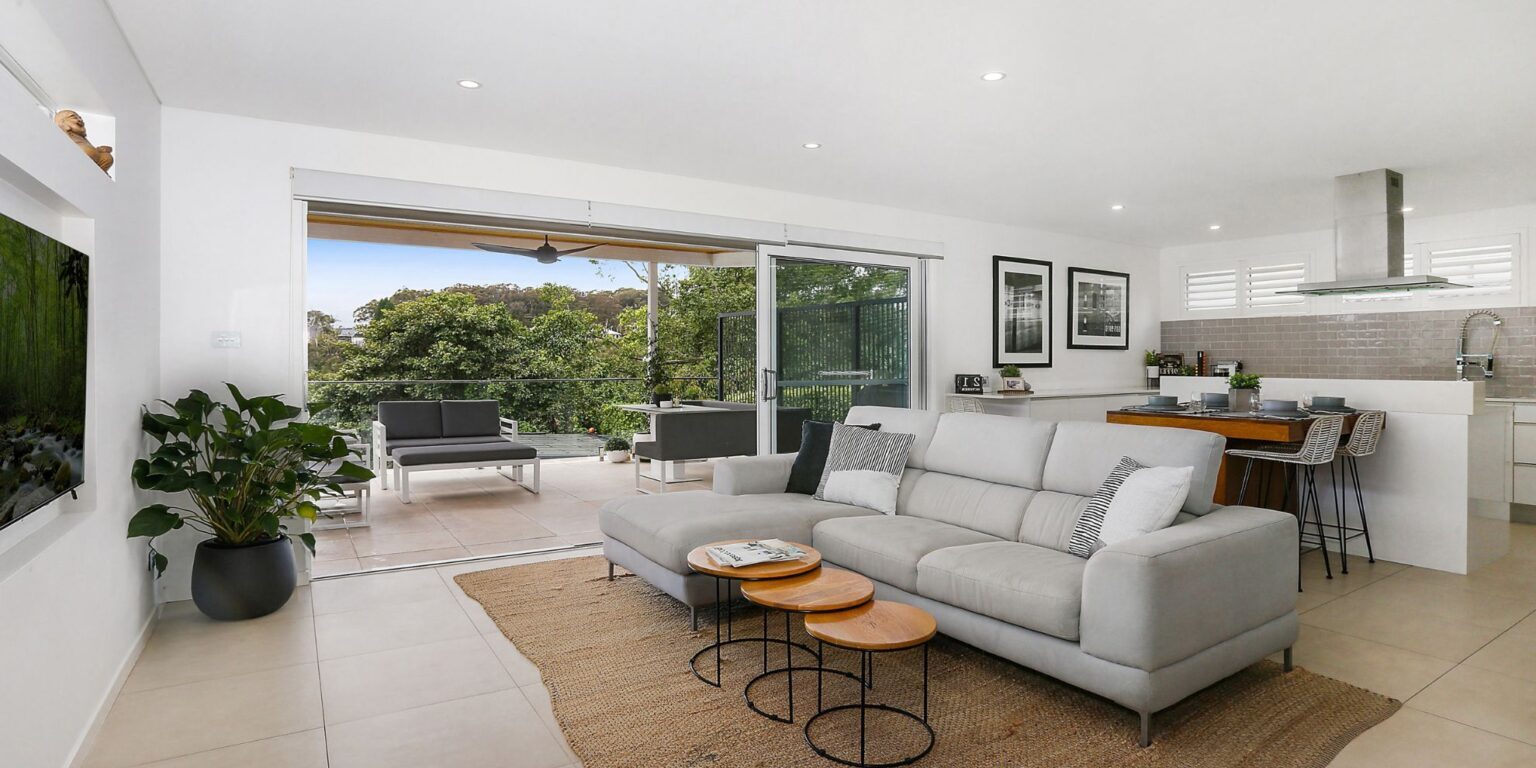
If you’ve got teenagers, you already know how fast things change. One minute they’re little kids running around your feet… the next they’re taller, louder, and turning up with a carload of mates you weren’t expecting. Here’s a renovation secret that keeps teenagers at home longer.
And look, that’s a good thing. Kids grow. Their world gets bigger. Their friends become a big part of their life. But if your home isn’t set up for that stage – if there’s nowhere for them to hang out, no spot for their friends, no bit of privacy without being completely shut off – they won’t stay home for long. That’s where the renovation secret comes into play.
That’s why the design matters so much.
At the end of the day, it’s about giving your teenagers a little zone of their own, while still keeping the family close. A renovation secret is creating a space where they can have their mates over without everyone being on top of each other. Somewhere they feel comfortable and welcome, and where you, as Mum and Dad, still have your own space to enjoy a quiet night, watch your show, or entertain your friends.
But You Can Only Get That Right When Your Builder Is Willing To Dig Deep…
To do that properly, you’ve got to slow down and really understand how the family actually lives day to day:
- Who actually comes over?
- What do they do?
- Where do people naturally gather?
- Do the kids hang in the kitchen?
- Do the dads hover around the BBQ?
- Is an outdoor TV going to make life easier?
- Do the mums want a bigger breakfast bar because that’s where everyone ends up anyway?
Most builders don’t ask these questions. They look at the plans and say, “Yep, we can build that.”
But getting the flow and feel of a home right, especially for growing families with teenagers, takes more than just building what’s drawn. It takes understanding how you live now, and how you’re going to live in five years’ time.
That’s what protects your budget, your sanity, and the life you imagined when you first thought about renovating.
When You Don’t Get This Right… The Whole Renovation Starts Working Against You
Once you see how much hinges on designing around the way a family actually lives, it’s easy to understand why things fall apart when that thinking isn’t done upfront.
When the planning doesn’t go deep enough, you feel it straight away. The house might look good on paper, but the moment you start living in it, the cracks show – especially with teenagers in the mix.
And when that happens, the kids don’t stay home. Instead, they go looking for space somewhere else. Worse, they start blaming you for their social life struggles.
But the lifestyle cost is only half of it.
The financial cost can hit even harder.
Most of the big variations I see come from things that weren’t properly thought through at the start. And 9 times out of 10, it’s because they struggled to visualise the space, or the plans didn’t reflect how the family actually uses the home.
Once the walls start going up and someone realises the flow isn’t right, or a room needs to shift, or the outdoor area doesn’t connect the way they imagined… that’s where the budget blows out.
A mid-build change isn’t just a tweak – it has a knock-on effect through framing, wiring, plumbing, finishes, schedules, everything. What could have been sorted with a conversation and a bit of planning early on becomes a major cost and a major delay.
And the disappointing part is, none of it needed to happen.
When the design doesn’t reflect your family’s real life, the house just doesn’t work. And the whole point of the renovation – making the home feel better for everyone – ends up slipping through the cracks.
That’s why I’m so big on slowing down at the start.
How We Build to Make Sure These Problems Never Reach Your Front Door
One thing years of renovating has taught me is that most issues don’t come from the big, obvious parts of a project. They come from the small details no one spots early enough that look harmless on a plan but create headaches once the build gets underway.
That’s why I don’t just follow the drawings. I look for the things that could cost you later, and I fix them before they turn into variations or stress.
For instance:
- Simplifying structural elements that don’t need to be complicated.
I’ve seen roof designs with unnecessary ins and outs that add extra valleys, guttering, and labour. A small adjustment early on can save you thousands without changing the look of the home.
- Spotting where the flow will break down once the home is actually lived in.
If a walkway is too tight, a space will echo, or an outdoor area won’t connect to where people naturally gather, I’ll call it out before it becomes a mid-build redesign.
- Protecting the budget by preventing variations.
Most expensive changes come from things people couldn’t visualise on a 2D plan. I use tools and conversations early in the process so you see the space clearly before we start – not halfway through.
- Improving details that look fine on paper but don’t work in real life.
Sometimes less is more. If something is over-designed or over-engineered for no practical reason, I’ll simplify it so it’s cleaner, stronger, and more cost-effective.
- Using experience to anticipate issues before they appear.
After enough years in this game, you start to see patterns: where water travels, which materials hold up, how different systems behave. Those early decisions protect you from expensive remediation later.
My goal is always the same: to make sure the home you build is the home that works. A home that feels good from day one, flows naturally with how your family lives, and doesn’t surprise you with costs or compromises you never saw coming.
When the Home Feels Right, Everything Else Falls Into Place
At the end of the day, the real secret to keeping teenagers at home longer isn’t a fancy room or a big extension. It’s designing a space that actually fits the way your family lives. A home that gives everyone room to breathe, connect, and enjoy being together without feeling crowded or pushed out.
When you get this renovation secret right, everything shifts: teenagers actually choose to stay home, the house settles into a better rhythm, and life just feels easier.
Remember, the true renovation secret lies in designing a space that fits the way your family lives.
If you’re thinking about taking that next step, and you want to make sure you build with confidence from day one, I’ve put together a simple guide that walks you through the exact checks and questions I use on every project. It’s the same process that helps families avoid the hidden costs, the variations, and the “I wish we knew this earlier” moments.
Take a few minutes to read my free guide
How to Turn Your Current Family Home into Your Perfect Family Home
It walks you through the key checks and planning steps that protect your budget, reduce stress, and set your project up for success.
Explore the Association of Professional Builders, Master Builders, and Buildxact for proven strategies, standards, and estimating tools.

